
Books are back!
by Macauley Drake, Associate Creative Strategy Director

Firstly I need to clarify, this is an absolute rage bait headline. We all know books never went anywhere. But now that you’re here - aren’t you intrigued by books re-entering cultural conversations in new ways? Reading isn’t new, but the visibility of reading is.
The interesting part isn’t that people are reading, it’s that they’re showing it.
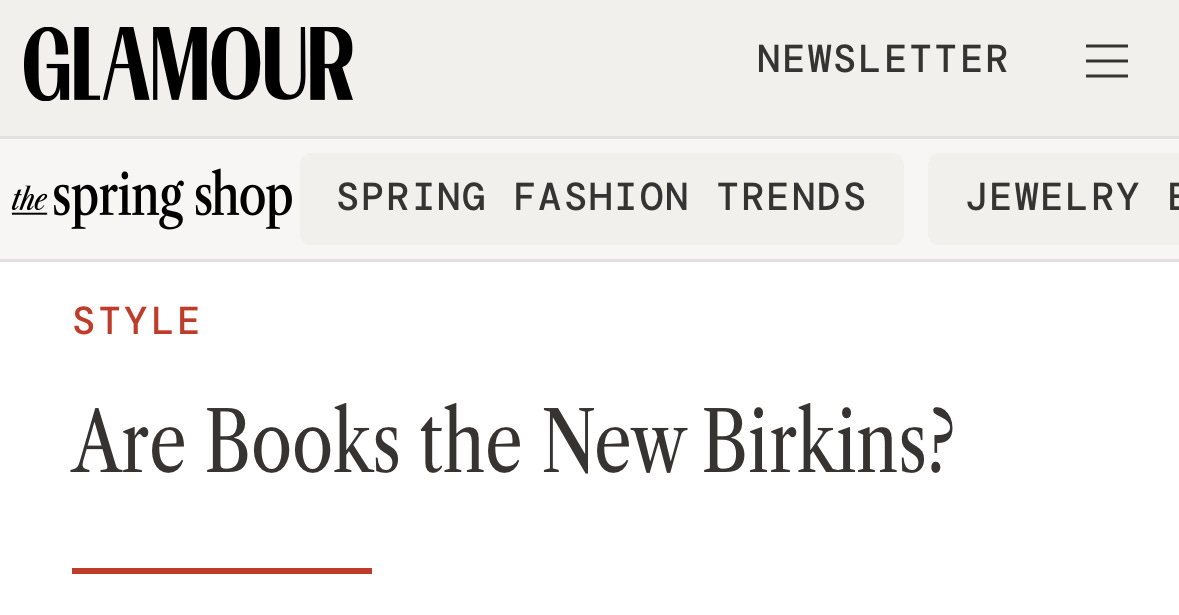
It seems every other day I see headlines, content, and news around new book collaborations, adaptations, or events. Just a few days ago Glamour asked us all, “Are Books the New Birkins?” Personally, I hope so - they’re a lot more affordable.
Where the books are showing up
I was seeing this so frequently, I thought it’d be best to tally up a little list for the curious minds;
First, and maybe the most fun, is fashion and aesthetics. Books have become part of visual culture and fashion signalling. We’re seeing them used as accessories, design references, and cues for luxury.
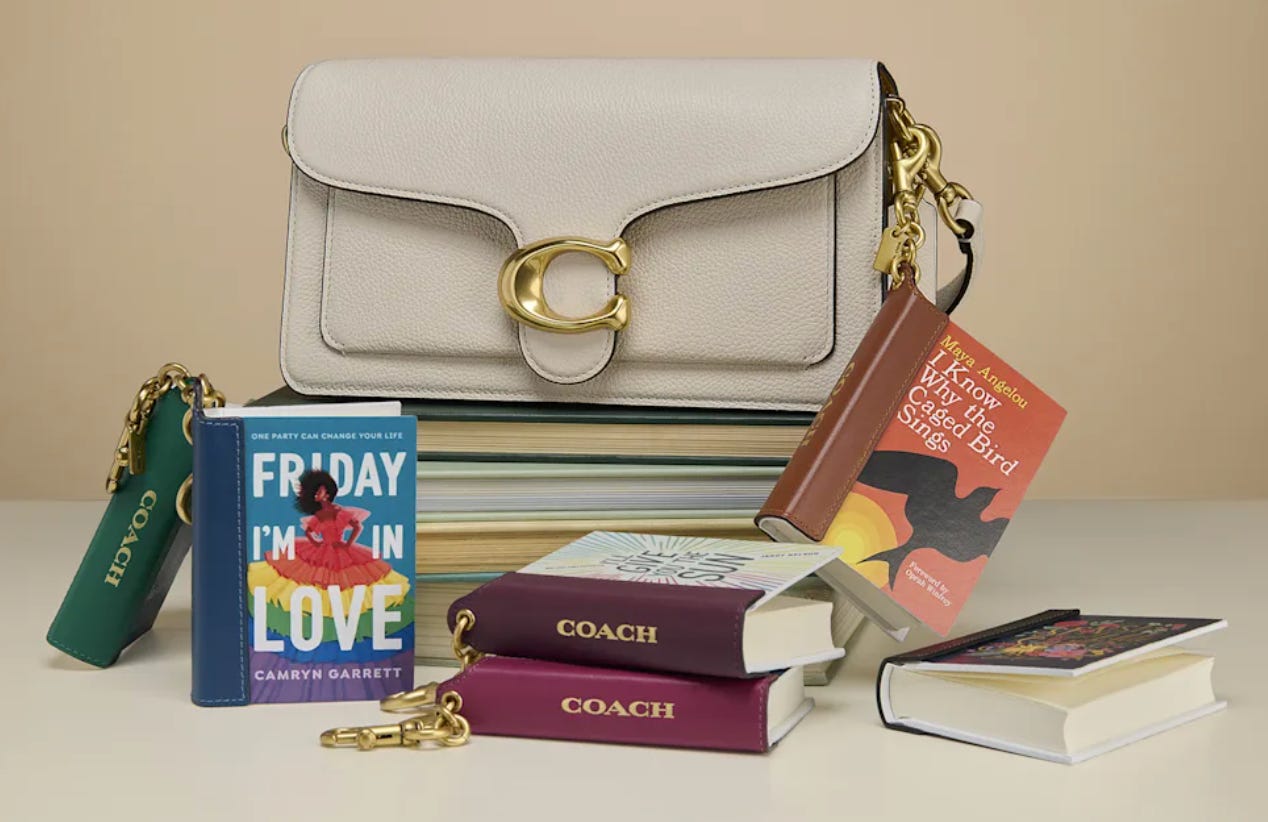
We’ve had the Coach x Penguin book bag charms (admittedly these are adorable, fully readable, and I do need one), and Dior’s new bags that feature the classics in design form. In Calvin Klein’s latest ad Dakota Johnson is seen reading both a manuscript and a book. I’m sure this is the part everyone paid attention to in that ad. Fashion media is framing all of this as part of a broader literary aesthetic movement in luxury culture.
Beyond fashion, books are showing up more and more in internet culture. People aren’t just reading, they’re turning it into content.
Twitch streamer Kai Cenat, one of the most influential Gen Zers alive, read self-help books live on camera, inspiring other creators and many young fans to follow suit in ‘bookstreaming’.
Last summer, Love Island’s Chloe Burrows pivoted to being a part-time BookToker and now has a pinned playlist of 53 different parts to her BookTok series with great, consistent engagement.
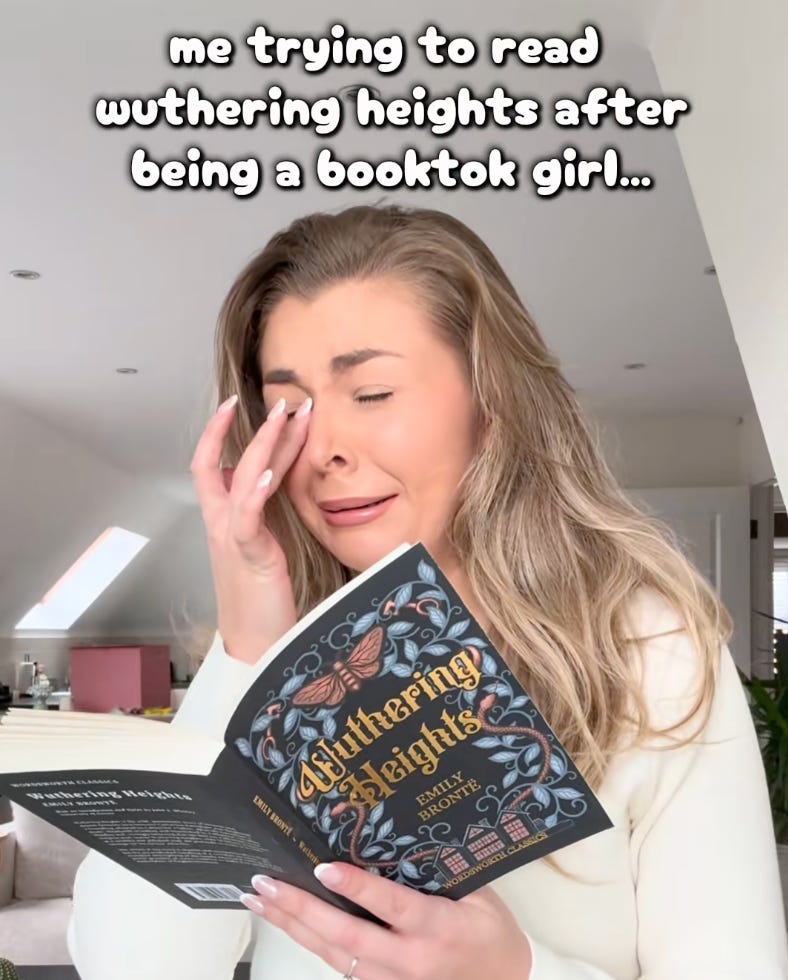
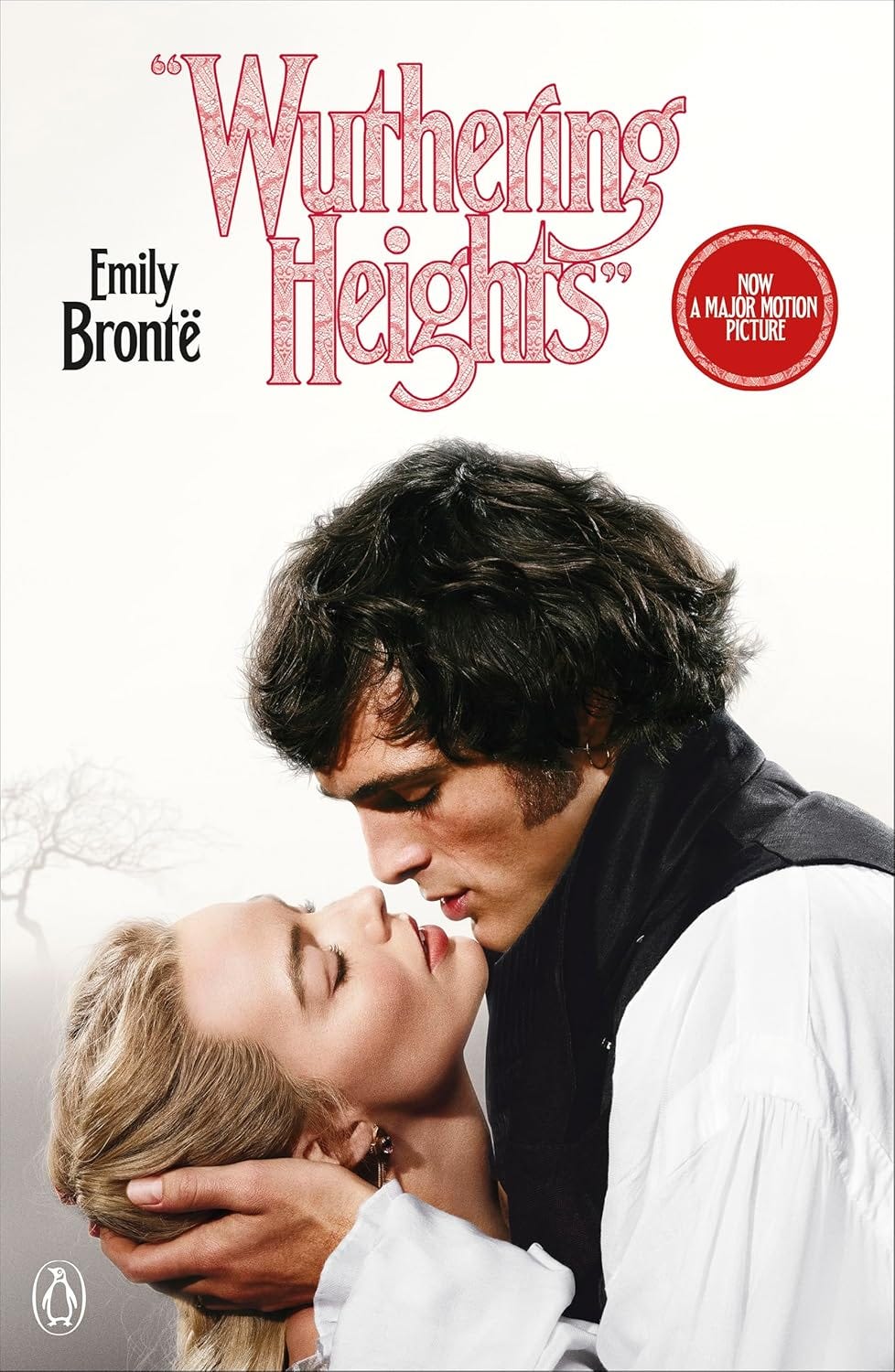
Pre Emerald Fennel’s “Wuthering Heights” release there was a huge online trend around people trying to read the book for the first time... and being shocked at how difficult it was to understand.
As boycotts for Amazon, and therefore Goodreads, continue, book-tracking app The StoryGraph (indie-black-woman-owned!) hit 5 million signups in January. Or, just look at the insane growth in Substack’s popularity over the past few months. People are spending time reading again, and they want everyone to know it.
Outside of fashion and the internet, this cultural attention is also supported by an industry movement. Books aren’t just trending online, they’re economically active again.
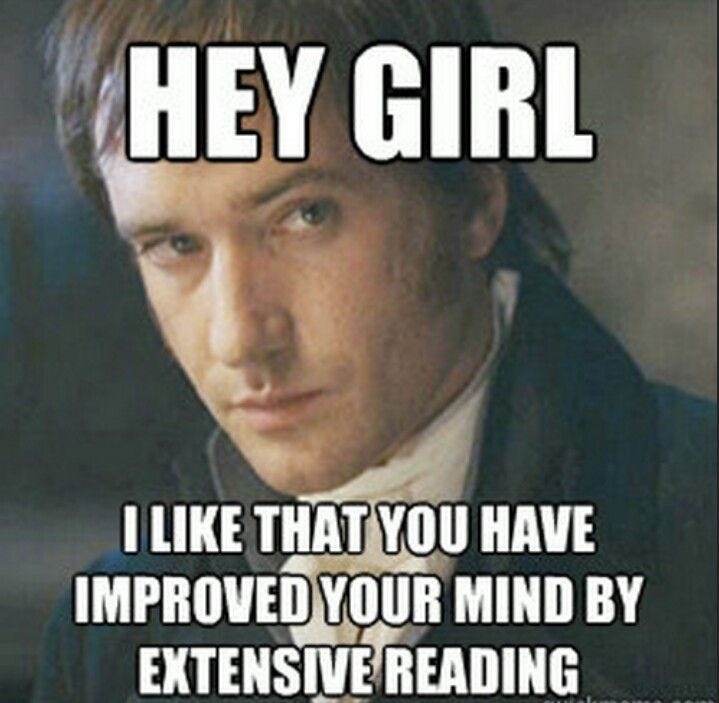
Physical book sales have grown ~40% over the past decade and bookstores are reopening (yay!). On top of this, film and TV pipelines are packed with book adaptations ranging from BookTok favourites like People We Meet on Vacation to classics like Wuthering Heights and Dolly Alderton’s newest take on Pride & Prejudice due later this year.
After seeing books show up everywhere from fashion campaigns to livestreams, my question is why books would suddenly become so culturally visible again? I’ve broken down a few of my thoughts;
First, Identity Signalling: Everything seems to signal identity now (groceries, clothes, what you watch, etc.), so it makes sense that what you’re reading is feeling a little performative, even if it’s not.
Books signal taste, intellect, and cultural literacy. Carrying one or posting it online tells people something about you. At its core, reading a physical book, particularly a novel, connotes more than just a productive alternative to doomscrolling. It represents a quiet luxury: taking yourself completely offline.
Which brings me to the value of disconnecting: As I wrote a few weeks ago with the rise of analogue, being offline has become aspirational. Vogue has called unplugging the “ultimate luxury,” in fact.
HobbyTok is booming as people search for intentional moments that slow them down and help them actively disconnect, and reading is one of the few hobbies that fully removes you from the internet (until you get back on to search for content that unpacks your new favourite book, that is). Also worth noting that reading is still a relatively cheap and accessible hobby - especially for those going fully analogue and taking out a library card.
Throughout history, reading has really been one of the few socially acceptable ways to disappear for a while.
And my personal favourite, community & fandom: We’re all searching for more community these days, and books now function like an entertainment ecosystem, not just reading material. Book culture has evolved beyond Booktok into a real world community, from brand-backed book clubs to in store author events and literary pop-ups.
The power of the internet has even popularised once sidelined genres like fantasy giving it a huge mainstream audience. The fandom is so passionate that new releases can even affect stock prices(!!). When Sarah J Maas announced her new books on Call Her Daddy last week, publishers saw a market boost.
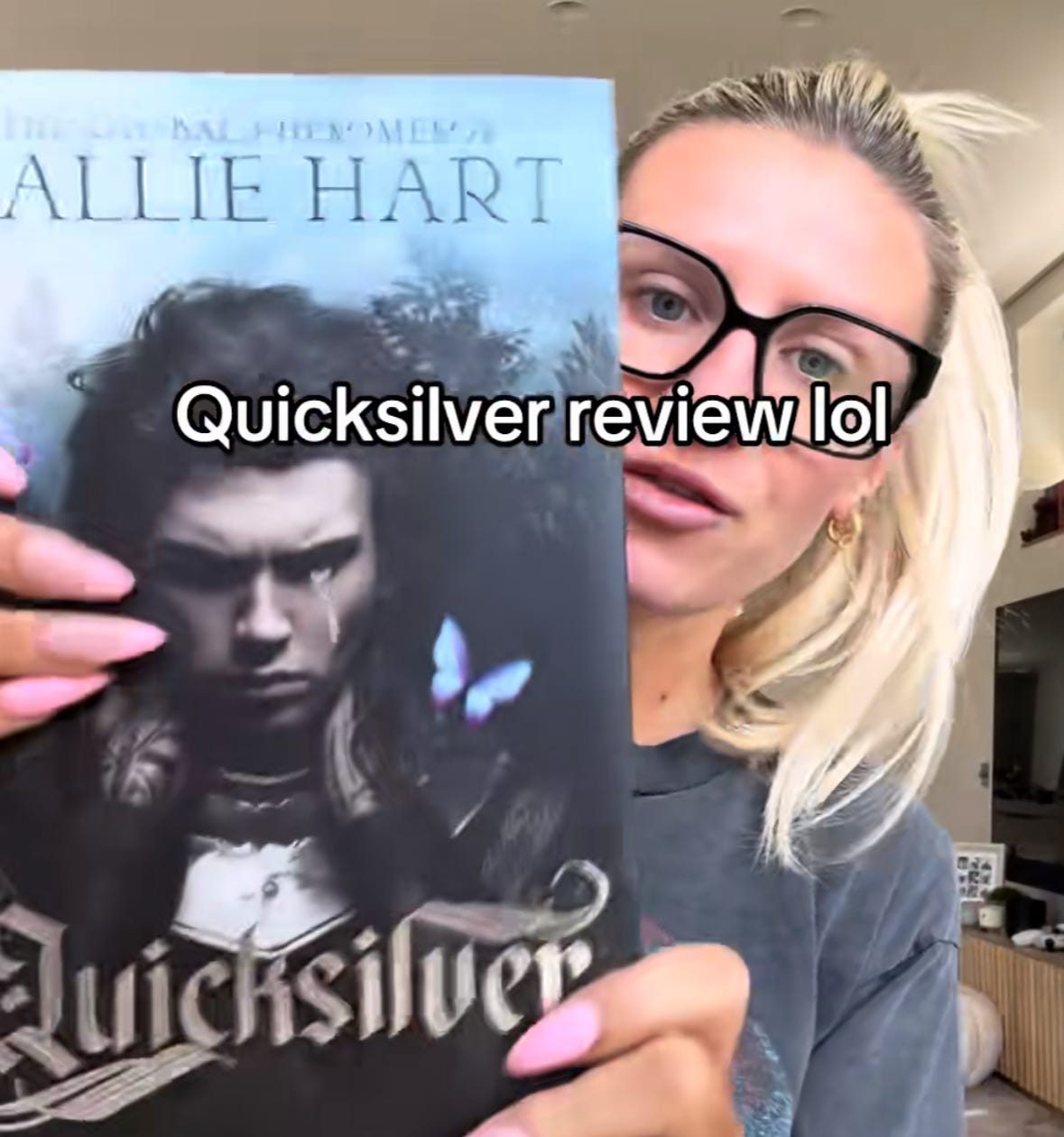
Thanks to TikTok communities, books can go from obscurity to best-seller overnight. Look at Callie Hart’s Quicksilver as an example - a small self-published book that sold over 1 million copies and secured a 7-figure Netflix deal after going viral on TikTok.
This soaring popularity all plays into how many book-to-screen adaptations are coming up this year. Books have built-in fanbases, a proven story, and engaged social communities, it only makes sense that would transfer so easily across multiple platforms. I’m curious to see how many people jump into reading Pride & Prejudice this year (brands take note to start planning Mr Darcy content for September!!).
The crux of all of this is that reading has shifted from private habit to public perception, regardless of how it is you want to be perceived.
What this shift actually means for brands and creators
Books are now functioning as cultural objects, not just stories. We’re living in a status economy, where products no longer exist in a silo. Everything lives on a feed competing for attention and relevance, regardless of category.
What Coach did with its book charms didn’t just borrow the aesthetic of reading, they embedded the culture directly into the product and built a campaign around participation. Their CMO Joon Silverstein said, “The future of brand building isn’t about broadcasting messages. It’s about building cultural relevance through participation.” and I couldn’t agree more.
For brands and creators to succeed, they need to step into behaviour that’s already happening, and right now that behaviour is reading. To stay relevant, they need to find original and engaging ways to make themselves part of the story (pun intended).
Have you seen any cool book collabs lately? Or dying for any upcoming adaptations? Let me know in the comments!
They hold more value than a birkin EVER will.